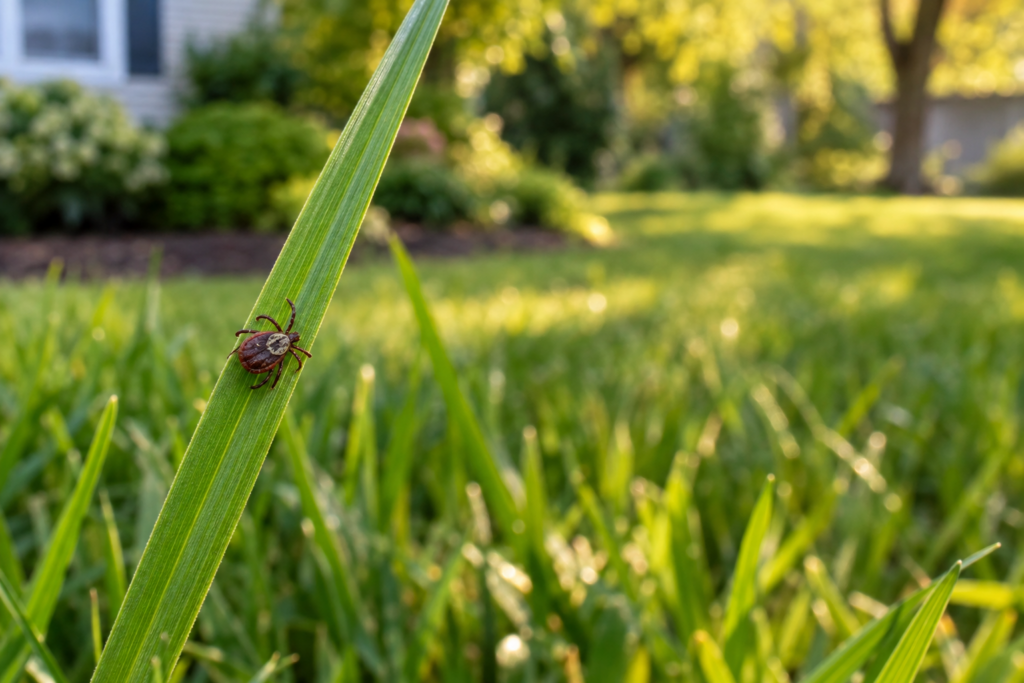
A tick bite can create more than an itchy spot. For some people, a bite from a species such as the lone star tick can trigger alpha-gal syndrome, a delayed allergy to a sugar found in mammal meat and other mammal-derived products. It is not the same thing as Lyme disease, and the delay between a meal and symptoms can make it difficult to recognize. For homeowners in East Canton, Canton, and around Stark County, understanding the risk is another good reason to make tick prevention part of normal yard care.\r\n\r\nWHAT IS ALPHA-GAL SYNDROME?\r\nAlpha-gal syndrome, often called the red-meat allergy, happens when the immune system makes an allergy antibody to galactose-alpha-1,3-galactose, or alpha-gal. This sugar is found in products from most mammals, including beef, pork, lamb, venison, gelatin, and some other ingredients or medications. Not everyone who is bitten by a lone star tick develops the syndrome, and a tick bite does not automatically mean someone will become allergic. But a bite can sensitize a person, so repeated exposure to ticks is worth taking seriously.\r\n\r\nWHY OHIO FAMILIES SHOULD PAY ATTENTION\r\nThe lone star tick is established across much of the eastern and midwestern United States, including Ohio. Female lone star ticks have a noticeable white spot on their backs, but young ticks can be extremely small and easy to miss. They are most active during the warmer months, when families are mowing, gardening, hiking, grilling, and letting pets explore the yard. Tick activity can continue into fall and return during mild winter days, especially in sheltered, brushy areas.\r\n\r\nA well-used backyard can provide plenty of opportunities for contact. Ticks prefer shaded, humid areas with tall grass, leaf litter, brush, and wildlife traffic. They can be picked up along the edge of a lawn, carried indoors on clothing or pets, or encountered near wood piles and overgrown landscaping. Reducing those conditions does not eliminate every tick, but it can make the areas where your family plays and relaxes less inviting.\r\n\r\nKNOW THE WARNING SIGNS\r\nAlpha-gal reactions are often delayed, usually appearing two to six hours after eating red meat or another product that contains alpha-gal. Symptoms may include hives or an itchy rash, stomach pain, nausea, vomiting, diarrhea, heartburn, swelling, coughing, shortness of breath, dizziness, or a drop in blood pressure. In some cases, a severe reaction called anaphylaxis can happen. The first reaction may occur weeks or months after the tick bite, which is why an unexplained reaction after a meal should be discussed with a healthcare professional. Anyone having trouble breathing, swelling of the throat or tongue, faintness, or other signs of a severe allergic reaction should seek emergency care.\r\n\r\nLOWER TICK EXPOSURE AROUND YOUR YARD\r\nStart with simple habits. Keep grass mowed, remove leaf litter, trim back tall grass and brush at lawn edges, and keep wood piles neat and dry. The CDC also recommends a roughly three-foot wood-chip or gravel border between lawn and wooded areas, along with placing play equipment, patios, and decks away from brushy borders when possible. After outdoor time, check children, clothing, gear, and pets for ticks. A shower and a careful body check can help find unattached ticks, while an attached tick should be removed promptly with fine-tipped tweezers.\r\n\r\nMAKE YOUR YARD PART OF THE PREVENTION PLAN\r\nLandscaping changes help, but a professional treatment plan adds another layer of protection where your family spends time. Nature Spray Organics provides all-natural mosquito and tick control designed for family yards in East Canton, Canton, Alliance, Louisville, North Canton, Malvern, and the Lake Mohawk area. Treating tick-prone lawn edges and outdoor living spaces can help reduce exposure while you continue using personal protection and checking for ticks.\r\n\r\nIf you want a practical plan for a more comfortable, tick-conscious yard this season, call Nature Spray Organics at (330) 598-0003 or use the contact form on this site to get started.
Alpha-Gal Syndrome: What Ohio Families Should Know