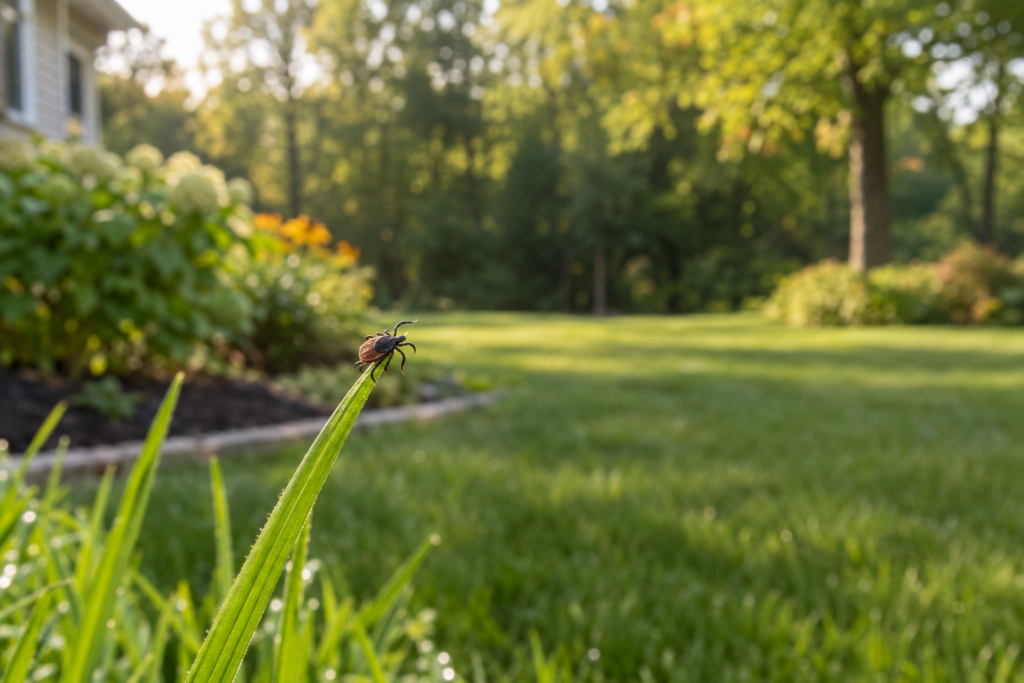
Tick problems are no longer limited to a hike in the woods. Ohio State University’s Buckeye Tick Test processed nearly 6,000 ticks in its first year, with samples from 86 of Ohio’s 88 counties. More than 44% of the submitted ticks came from people’s own yards. If you are seeing more ticks around East Canton, Canton, or Stark County, there are good reasons to take that observation seriously.
WHY OHIO IS SEEING MORE TICKS
Ohio has a combination of conditions that help ticks and the animals that carry them. Forests and brushy edges provide shade and moisture. Deer, mice, birds, and other wildlife move through neighborhoods and can carry ticks from one property to another. As wooded areas meet newer homes and backyard spaces, people and pets have more opportunities to cross paths with tick habitat.
Weather matters, too. Ohio’s Department of Agriculture notes that ticks may emerge to feed even during mild winter periods. Different life stages are active at different times, so there is no single month when a property is automatically tick-free. Blacklegged ticks can be active during warm stretches of fall and winter, while nymphs are especially important in spring and summer. Staying alert after mowing, gardening, walking the dog, or playing outside is a better approach than waiting for a specific date on the calendar.
WHICH TICKS ARE FOUND IN OHIO?
The blacklegged tick, also called the deer tick, is the Ohio tick associated with Lyme disease. Its adults commonly feed on deer, while immature ticks feed on small mammals and other wildlife. The American dog tick is common in grassy areas near brush and can transmit Rocky Mountain spotted fever. Lone star ticks are most common in southern Ohio but have been reported across much of the state; they are associated with ehrlichiosis and can trigger alpha-gal syndrome in some people.
A tick’s species does not tell you whether that individual tick is carrying a pathogen, and not every tick bite causes illness. The practical takeaway is simple: reduce exposure, check people and pets, and remove an attached tick promptly with fine-tipped tweezers. If someone develops fever, a spreading rash, unusual fatigue, headache, or muscle and joint aches after a bite, contact a healthcare professional.
WHAT HOMEOWNERS CAN DO THIS WEEK
Start with the places where lawn meets brush. Keep grass trimmed, clear leaf litter and tall weeds, and remove brush or twig piles that provide shelter for ticks and small hosts. Stack firewood neatly and keep it dry. Move play equipment, patios, and outdoor seating away from wooded edges when possible. A three-foot strip of gravel or wood chips between a lawn and a wooded area can also make that transition less inviting.
Pay attention to wildlife traffic. Keep bird feeders away from areas where children play, secure trash, and consider fencing or other practical steps to discourage deer from entering the yard. Check dogs and cats after outdoor time, especially around the ears, neck, toes, and between the legs, and ask your veterinarian which tick protection is appropriate for your pet.
WHY A WHOLE-YARD PLAN WORKS BETTER
Mowing and cleanup are important, but they cannot remove every tick from a property or stop wildlife from passing through. The most effective approach combines habitat reduction, regular inspections, and carefully targeted perimeter treatment. Spraying alone is not a substitute for yard maintenance, and any product should be used exactly as its label directs.
Nature Spray Organics helps homeowners in East Canton, Canton, Alliance, Louisville, North Canton, Malvern, and the Lake Mohawk area build a practical tick-reduction plan. Our all-natural yard treatments are designed with families and pets in mind, while focusing on the lawn edges, shaded borders, and other areas where ticks are most likely to wait for a host.
READY TO MAKE YOUR YARD LESS TICK-FRIENDLY?
You do not have to wait for another tick bite to take action. Call Nature Spray Organics at (330) 598-0003 or use the contact form on our website to schedule a conversation about your property. A few changes now can make the spaces where your family and pets spend time more comfortable all season long.