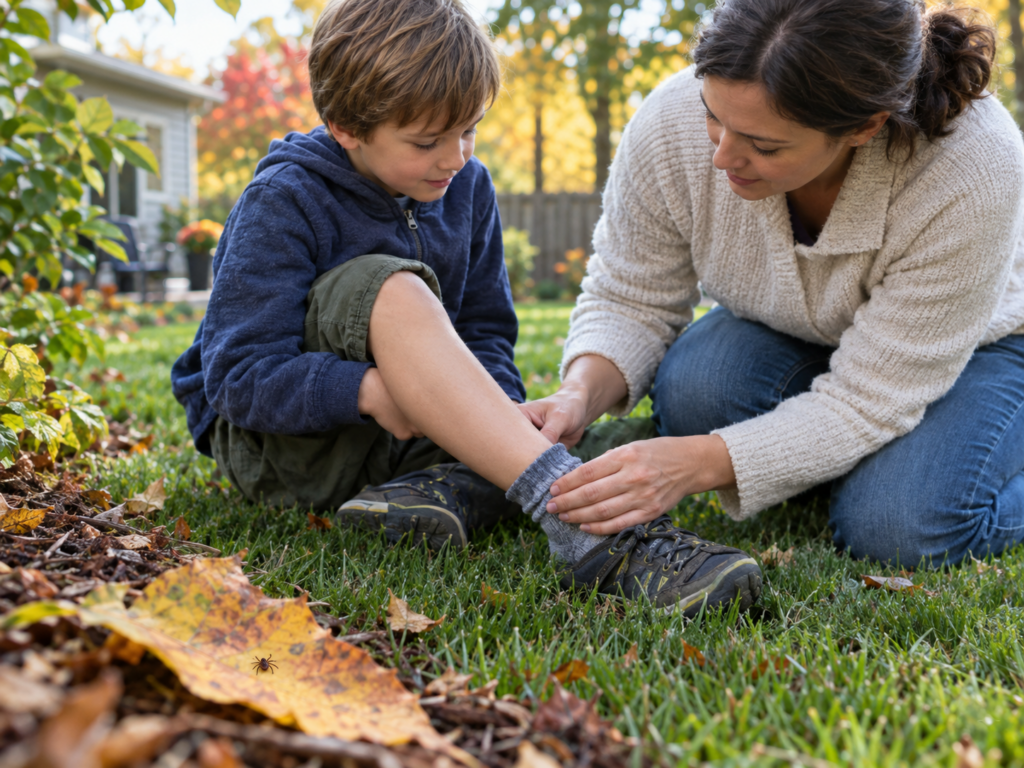
Finding a tick on a child, a pet, or yourself can be unsettling. A bite does not mean someone will get sick, but knowing which changes to watch for makes it easier to get the right help promptly. Around East Canton, Canton, and Stark County, a simple note of when and where a tick was found can be useful if symptoms appear later.
COMMON SYMPTOMS AFTER A TICK BITE
Tickborne illnesses can start with symptoms that look like many ordinary infections: fever, headache, muscle aches, joint pain, fatigue, or a rash. Symptoms do not look exactly the same in everyone, and not every illness causes a bull’s-eye-shaped rash. Ohio’s Department of Health lists Lyme disease symptoms as beginning about 3–30 days after a bite and ehrlichiosis symptoms about 5–10 days afterward. These are typical ranges, not a reason to wait for symptoms to appear before seeking advice. Read the Ohio Department of Health tickborne disease guidance for more information.
LYME DISEASE AND EHRLICHIOSIS: WHAT TO NOTICE
Lyme disease can cause an expanding rash, but it may not have the classic target appearance. Fever, headache, fatigue, and muscle or joint aches are other possible early signs. Ehrlichiosis often brings fever, headache, and muscle aches; a rash can occur, but its absence does not rule it out. Because early symptoms overlap with other conditions, tell a healthcare professional about the tick bite, the date you noticed it, and where the exposure may have happened. The CDC advises contacting a doctor if a rash or fever develops within several days to weeks after removing a tick.
ALPHA-GAL REACTIONS CAN BE DELAYED
Some tick bites can trigger alpha-gal syndrome, an allergy to a sugar found in many products from mammals. This reaction follows a different pattern from the usual fever-and-aches symptoms: signs can begin weeks or months after a tick bite, and often start 2–6 hours after eating red meat or dairy products. Hives or an itchy rash, stomach pain, nausea, diarrhea, swelling, dizziness, coughing, or trouble breathing may occur. A severe allergic reaction needs emergency care. Learn more from the CDC’s alpha-gal symptom guide.
CHECK PETS, TOO
Dogs and cats cannot tell you they feel unwell, so keep an eye out after a tick is found. Ohio State University’s Buckeye Tick Test guidance lists fever, low appetite, stiffness, swollen joints, lameness, and unusual tiredness among possible signs in pets; vomiting or diarrhea may also occur. Signs may take weeks or months to develop, and they do not appear in every animal. Call your veterinarian if your pet seems sick after a tick bite, and ask which tick-prevention products are appropriate. Do not apply a human repellent or yard product to an animal unless its label and your veterinarian say it is appropriate.
WHAT TO DO AFTER YOU FIND A TICK
Remove an attached tick promptly with clean, fine-tipped tweezers, grasping close to the skin and pulling upward with steady pressure. Do not twist, jerk, burn, or coat it with petroleum jelly or nail polish. Clean the bite area and your hands afterward. Note the date and likely location of exposure, and watch for changes in how the person or pet feels. Do not wait for a tick test to decide whether to call a doctor or veterinarian if symptoms develop; a tick test cannot diagnose an illness in the person or animal.
MAKE YOUR YARD PART OF THE PLAN
Regular tick checks and personal protection matter even when you are working to reduce ticks around home. Keep grass trimmed, clear leaf litter and brush, and check children and pets after outdoor play. Nature Spray Organics helps families in East Canton, Canton, Alliance, Louisville, North Canton, Malvern, and the Lake Mohawk area with all-natural yard treatments for ticks and mosquitoes. Treatments are for the yard, not skin; follow directions and keep children and pets off treated areas until dry.
If you have questions about making your outdoor spaces more comfortable, call Nature Spray Organics at (330) 598-0003 or use the contact form on our website. And if someone develops a fever, rash, unusual aches, or signs of an allergic reaction after a tick bite, contact a healthcare professional promptly.